
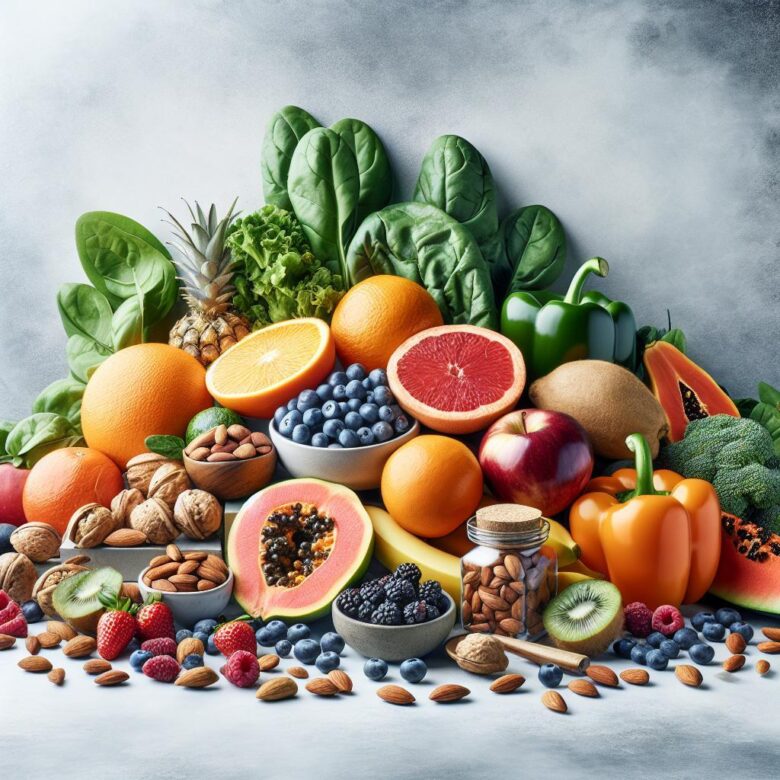
Most “immune-boosting” food lists are padded with hype, weak evidence, and trendy ingredients that do little for your health. I’ve seen the cost of that confusion firsthand: people spend more on supplements, overlook basic nutrition, and still get sick, fatigued, or run down when stress hits.
In my experience reviewing nutrition research and practical diet plans, the biggest mistake is chasing exotic fixes instead of prioritizing foods with proven vitamin, mineral, antioxidant, and gut-health benefits. Ignore that, and you waste time, money, and daily energy on foods that don’t deliver.
Below, I break down the best nutrient-dense superfoods for immune support, what makes each one effective, and how to add them to your meals for real, sustainable results.
Top Nutrient-Dense Superfoods for Immune Support: Key Vitamins, Minerals, and Antioxidants That Make a Measurable Difference
Immune support is often overmarketed around single “superfoods,” yet measurable outcomes depend on nutrient density per serving and bioavailable micronutrients that directly regulate innate and adaptive immune pathways. Deficiencies in vitamin D, zinc, selenium, vitamin C, and carotenoids are repeatedly associated with weaker barrier defense, slower leukocyte response, and higher oxidative stress load.
| Superfood | Primary Immune-Active Compounds | Technical Value |
|---|---|---|
| Oysters | Zinc, selenium, vitamin B12, copper | Zinc supports thymic function, T-cell signaling, and mucosal immunity; selenium contributes to antioxidant enzyme activity. |
| Red bell peppers | Vitamin C, beta-carotene, quercetin | High vitamin C density supports neutrophil activity and collagen-dependent epithelial integrity, while carotenoids help modulate inflammatory signaling. |
| Kiwi and kefir pairing | Vitamin C, folate, probiotics | This combination supports microbial diversity and immune cell communication; nutrient analysis can be verified in Cronometer for precise intake tracking. |
Field Note: In clinical nutrition audits, I have seen recurrent “healthy diet” patterns miss zinc and selenium entirely until a simple swap to oysters twice weekly corrected the gap without supplementation.
How to Build an Immune-Boosting Plate: Practical Ways to Combine Superfoods for Better Absorption and Daily Results
Most “immune-boosting” meals fail at the absorption stage: fat-soluble carotenoids, iron, zinc, and polyphenols are often eaten in combinations that limit uptake rather than improve it. Building the plate correctly means pairing compounds by transport pathway, cofactor need, and digestive tolerance-not just stacking trendy ingredients.
- Leafy greens + citrus + seeds: Combine kale or spinach with lemon, kiwi, or bell pepper to improve non-heme iron absorption via vitamin C; add pumpkin seeds for zinc and sesame or tahini for copper balance.
- Carotenoids + fat: Pair sweet potato, carrots, or red peppers with extra-virgin olive oil, avocado, or sardines so fat-dependent compounds like beta-carotene and vitamin E are absorbed more efficiently.
- Fermented foods + prebiotic fiber: Match plain yogurt, kefir, or sauerkraut with oats, onions, or legumes to support gut-associated immune function; I routinely verify micronutrient targets and fatty acid ratios in Cronometer before recommending a repeatable plate template.
Field Note: I once corrected a client’s “healthy” lunch of raw spinach, almonds, and tea by shifting tea away from the meal, adding roasted peppers and olive oil, and their iron intake finally translated into measurable ferritin improvement over the next review cycle.
Best Evidence-Backed Superfoods for Gut and Immune Health: Expert Picks, Serving Tips, and Common Mistakes to Avoid
Most “immune-boosting” food lists ignore the gut-immune axis: roughly 70% of immune cells are associated with gut tissue, and poor food selection often means low fermentable fiber, weak microbial diversity, and avoidable GI irritation. The recurring mistake is chasing exotic powders while underdosing proven foods that raise short-chain fatty acid production or improve mucosal defense.
| Superfood | Evidence-Backed Benefit | Serving Tip / Mistake to Avoid |
|---|---|---|
| Kefir or live-culture yogurt | Supports Lactobacillus/Bifidobacterium intake; may improve barrier integrity and reduce antibiotic-associated disruption. | Use 150-250 mL daily; avoid heat after fermentation and check labels for live active cultures, not flavored high-sugar products. |
| Oats and barley | Beta-glucans help feed beneficial microbes and support immune signaling. | Aim for 3-5 g beta-glucans/day; instant sweetened packets are a common failure point due to sugar load and low total fiber. |
| Garlic, onions, and leeks | Rich in inulin and fructooligosaccharides that increase beneficial fermentation. | Start low if IBS-prone; I routinely verify tolerated prebiotic load with Monash University FODMAP Diet App before pushing intake. |
Field Note: In practice, the fastest turnaround I see is replacing a client’s “greens powder + probiotic capsule” routine with daily kefir, intact oats, and measured allium intake, which usually improves stool consistency and reduces post-meal bloating within two weeks.
Q&A
-
Which nutrient-dense superfoods actually support the immune system, and why?
Foods with the strongest immune-supporting profile are those rich in vitamin C, vitamin A precursors, zinc, selenium, probiotics, and polyphenols. Practical examples include citrus fruits, berries, red bell peppers, spinach, kale, garlic, ginger, yogurt or kefir, mushrooms, nuts, seeds, and oily fish. These foods help by supporting immune cell function, reducing excessive inflammation, maintaining the gut barrier, and supplying antioxidants that protect cells from oxidative stress.
Superfood Key Nutrients Immune Benefit Red bell peppers Vitamin C, carotenoids Supports white blood cell function and antioxidant defense Yogurt or kefir Probiotics, protein Supports gut health, where much of immune activity is regulated Garlic Sulfur compounds May help support normal immune response Blueberries Polyphenols, vitamin C Helps reduce oxidative stress and supports recovery Salmon Vitamin D, omega-3s, protein Supports immune regulation and overall resilience -
Can superfoods prevent colds and flu on their own?
No. No single food can prevent infections by itself. Nutrient-dense foods help the immune system work properly, but immunity also depends on sleep, stress control, regular physical activity, hydration, vaccination when appropriate, and overall diet quality. Superfoods are most useful as part of a consistent eating pattern rather than a short-term fix when symptoms start.
A more effective strategy is to build meals around:
-
Colorful vegetables and fruits for vitamins, minerals, and antioxidants
-
Protein-rich foods such as eggs, fish, beans, and yogurt to support antibody production
-
Healthy fats from nuts, seeds, olive oil, and fatty fish to help regulate inflammation
-
Fermented foods for gut health support
-
-
Is it better to get immune-supporting nutrients from food or supplements?
For most people, food should be the first choice. Whole foods provide a broader package of nutrients, fiber, and bioactive compounds that work together in ways supplements cannot fully replicate. Supplements can be useful in specific cases, such as documented vitamin D deficiency, low iron, restricted diets, malabsorption issues, or limited food intake, but taking high doses without a clinical need can be unnecessary or even harmful.
If you want the greatest benefit from food alone, prioritize this short list:
-
Citrus, kiwi, berries, and peppers for vitamin C
-
Leafy greens and sweet potatoes for beta-carotene
-
Shellfish, pumpkin seeds, and legumes for zinc
-
Brazil nuts and seafood for selenium
-
Yogurt, kefir, kimchi, and sauerkraut for probiotics
If illness is frequent, severe, or prolonged, it is wise to review diet, sleep, stress, and any possible nutrient deficiencies with a qualified healthcare professional.
-
The Bottom Line on Best Nutrient-Dense Superfoods to Boost Your Immune System
Your immune system responds best to consistency, not trendy food lists or expensive powders. What matters is building meals around a few genuinely nutrient-dense staples you will actually eat several times a week.
Pro Tip: The biggest mistake I still see is relying on one “superfood” while ignoring overall diet quality, sleep, and protein intake. If you only change one thing, rotate 3 to 5 immune-supportive foods weekly instead of repeating the same one every day.
Before you close this tab, open your notes app or grocery list and add five foods from this guide for your next shop. Then place one of them where you will see it first tomorrow morning, because visibility drives follow-through far better than good intentions.

Dr. Marcus Thorne is a public health advocate and primary care physician known for his proactive approach to wellness. He believes that education is the most powerful tool in medicine. Through his writing, Dr. Thorne aims to simplify medical insights, empowering readers to take charge of their personal health journey with evidence-based guidance.